It’s 2:00 a.m., the house is quiet, everyone is asleep, and then you hear it: scratch, scratch, scratch coming from somewhere inside the wall. You pause, hoping it was your imagination, but a few minutes later, it happens again. If you’ve experienced this, you’re not alone. In fact, hearing scratching sounds at night is one of the most common concerns Maritime Pest Control hears from Edmonton homeowners, especially during our long, cold winters when rodents start looking for warmth indoors. The good news? There are usually clear explanations for these noises, and once you know what you’re dealing with, it’s much easier to solve the problem.
What’s Causing That Scratching Sound in Your Walls?
When homeowners hear noises coming from their walls, attic, or ceiling, their minds often jump to the worst-case scenario. In reality, there are several possible culprits.
Mice
Mice are by far the most common cause of scratching in walls Edmonton homeowners report. Their sounds are usually light, quick, and repetitive. You may hear scratching, tiny footsteps, or occasional gnawing noises inside walls, particularly near kitchens, bathrooms, or utility areas.
Squirrels
Squirrels can sound surprisingly loud inside a home. Their movement is energetic and often chaotic, especially when they’re running through attic spaces. Unlike rodents, squirrels are typically active during daylight hours, particularly around sunrise and sunset.
Bats
Bats are less common but can sometimes take up residence in attic spaces. Homeowners may hear faint scratching accompanied by soft squeaking sounds.
Wasps and Other Insects
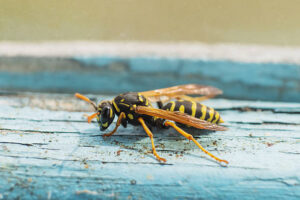
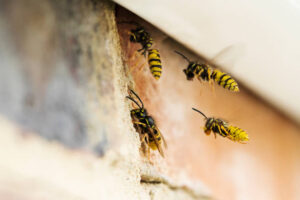
During Edmonton’s warmer months, wasps or large insect colonies inside wall voids can create faint rustling or buzzing sounds that some homeowners mistake for rodents.
One of the biggest clues is when the sounds occur. The time of day and the type of noise often help narrow down the likely culprit. However, a professional inspection remains the only reliable way to know for certain.
Mice vs. Squirrels – How to Tell the Difference
Many homeowners know something is moving inside their walls but aren’t sure what it is. Fortunately, the behaviour patterns of these pests are quite different.
Mice
Mice are small, lightweight, and extremely active.
Typical signs include:
- Light scratching noises
- Quick scurrying sounds
- Occasional chewing or gnawing
- Activity between midnight and 4 AM
If you hear movement inside walls near your kitchen or bathroom late at night, there’s a strong chance you’re dealing with mice.
Squirrels
Squirrels are often mistaken for rodents because they can be extremely noisy.
However, they have one major difference:
- They’re active during the day
If the sounds start shortly after sunrise and stop at night, squirrels are often the culprit.
Here in Edmonton, where temperatures routinely drop well below freezing between October and March, mice and squirrels are all motivated by the same thing: finding a warm place to survive winter. That’s why calls for rodent control services in Edmonton increase dramatically every fall.
Warning Signs That Rodents Are Living Inside Your Walls
The noises alone are concerning, but rodents almost always leave additional clues behind.
Droppings
Small dark droppings found near baseboards, food storage areas, kitchen cabinets, or utility rooms are often the first visible sign of a rodent infestation.
Gnaw Marks
Rodents constantly chew to keep their teeth from overgrowing.
Look for:
- Damaged food packaging
- Chewed drywall
- Bite marks on wood trim
- Damaged wiring
Nesting Materials
Shredded paper, insulation, cardboard, or fabric hidden in secluded areas can indicate active nesting.
Changes in Pet Behaviour
Dogs and cats often notice rodents before humans do. If your pet becomes obsessed with a specific wall or room, pay attention.
Urine Odours
A strong ammonia-like smell in enclosed spaces may indicate rodents are actively living nearby.
If you’re hearing scratching noises and recognize two or more of these warning signs, there’s a very good chance you’re dealing with an active rodent infestation that Edmonton homeowners should address immediately.
Health and Property Risks of Rodents in Your Home
Rodents are more than just a nuisance.
Health Risks
Mice are known carriers of several diseases, including:
- Hantavirus
- Salmonella
- Leptospirosis
Their droppings and urine can contaminate surfaces and contribute to poor indoor air quality.
Rodent allergens can also aggravate asthma and respiratory conditions, particularly in children and older adults.
Property Risks
Many homeowners are surprised to learn that rodents never stop chewing.
They routinely gnaw on:
- Electrical wiring
- Plumbing pipes
- Insulation
- Structural wood
In fact, rodent-damaged electrical wiring is considered a significant fire hazard.
Another concern is reproduction.
A single pair of mice can produce dozens of offspring within just a few months. The longer an infestation remains untreated, the more extensive, and expensive, the damage often becomes.
How Do Mice Get into Edmonton Homes?
One of the most frustrating parts of dealing with rodents is discovering just how easily they enter homes.
Common rodent entry points in Edmonton homes include:
Gaps Around Utility Lines
Pipes, cables, and utility penetrations often leave tiny openings that rodents can exploit.
Foundation Cracks
Many older Edmonton homes develop small cracks in basement walls and foundations over time.
Damaged Weatherstripping
Even small gaps beneath exterior doors can provide easy access.
Roof Vents and Soffits
Squirrels often enter through damaged roof structures or attic vents.
Attached Garages
Garage doors rarely seal perfectly, creating convenient access points.
Here’s the part that surprises most homeowners:
A mouse can squeeze through an opening as small as a dime (approximately 6 mm).
That means openings most people would never notice can provide a direct route into the home.
How Maritime Pest Control Locates Entry Points and Eliminates Rodents
Successfully eliminating rodents requires more than simply setting traps.
At Maritime Pest Control Edmonton, the process starts with a comprehensive inspection.
Our licensed technicians:
- Perform a complete interior and exterior assessment
- Identify active entry points and nesting locations
- Locate rodent travel routes throughout the property
- Determine whether the issue involves mice, squirrels, or multiple species
- Develop a targeted treatment strategy specific to the infestation
We use safe, family-friendly trapping and exclusion methods designed for homes with children and pets.
Just as importantly, we focus on sealing entry points to prevent rodents from returning.
Additional benefits include:
- Unmarked vehicles for complete privacy
- Follow-up visits to verify elimination
- Long-term rodent prevention programs
- Over 40 years of local Edmonton experience
Many respected Edmonton businesses trust Maritime because maintaining a clean, pest-free environment is essential to their reputation. We bring that same level of care and attention to every residential property we visit.
www. maritimepestcontrol.ca/rodents
How to Keep Rodents Out of Your Edmonton Home Permanently
Preventing rodents is always easier than dealing with a full infestation.
Here are several practical steps Edmonton homeowners can take:
- Seal gaps around pipes, cables, and foundations using steel wool and quality caulking.
- Install door sweeps on all exterior doors.
- Store firewood away from the home’s foundation.
- Keep food – including pet food – in sealed containers.
- Use garbage bins with tight-fitting lids and keep them away from exterior walls.
- Trim tree branches that touch or overhang the roof.
- Inspect attics and crawlspaces annually for signs of rodent activity.
- Schedule a seasonal Edmonton rodent inspection before winter arrives.
A proactive approach is one of the most effective forms of winter pest control Edmonton homeowners can invest in.
Frequently Asked Questions About Scratching Sounds and Rodents in Edmonton
How small of a hole can a mouse fit through?
Much smaller than most people think. A mouse can squeeze through an opening roughly the size of a dime. If its head fits through, the rest of its body usually can too. That’s why tiny gaps around pipes and foundations are such common entry points.
Can mice climb walls?
Yes. Mice are excellent climbers and can scale rough surfaces such as brick, wood, drywall, and utility lines. This ability allows them to reach attics, upper floors, and wall cavities surprisingly easily.
What attracts mice into Edmonton homes?
Food, water, and shelter are the biggest attractants. Pet food, pantry items, garbage, cluttered storage areas, and warm indoor spaces become especially appealing during Edmonton’s colder months.
Are mice active during the day?
Mice are primarily nocturnal and usually stay hidden during daylight hours. However, seeing mice during the day can sometimes indicate a larger population competing for food and nesting space. Daytime activity is often a sign that professional intervention is needed.
If you’re hearing scratching in your walls at night, don’t assume it will simply go away. In most cases, the noises are a sign of active rodents that will continue breeding, nesting, and potentially damaging your home. The sooner the problem is addressed, the easier it is to eliminate. Contact Maritime Pest Control Inc. today at 780-486-1102 or visit www.maritimepestcontrol.ca to schedule a professional rodent inspection. Proudly serving Edmonton, St. Albert, Sherwood Park, Spruce Grove, Leduc, and surrounding communities, Maritime has been Edmonton’s trusted choice for pest control in Edmonton since 1980. https://maritimepestcontrol.ca/contact-us/