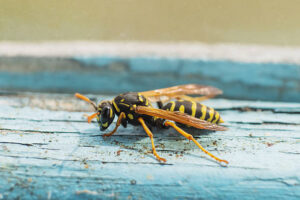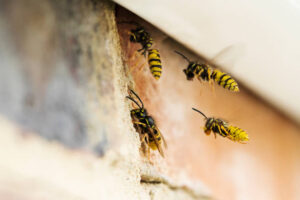
Wasps can quickly become a concern around homes, commercial buildings, yards, and outdoor areas. A visible nest or increasing wasp activity may indicate a larger problem that requires careful assessment and treatment. Professional pest management can help identify where wasps are nesting, address active nests, reduce safety risks, and support ongoing prevention.
For property owners looking for reliable Wasp Control in Edmonton, professional assistance can provide a structured approach to managing wasp activity and protecting frequently used areas.
Why Wasp Infestations Are a Serious Property Concern
Wasp activity can make outdoor spaces uncomfortable and create safety concerns for people who use the property. When wasps establish nests close to entrances, patios, play areas, or commercial spaces, the risk of unwanted encounters can increase.
Professional wasp pest control focuses on identifying the source of the activity rather than simply dealing with individual wasps. This helps property owners address the infestation more systematically.
Common Signs of Wasp Activity Around Edmonton Properties
Several signs may indicate that wasps are becoming established around a property. Frequent wasp activity near a particular area can be an early warning sign, especially when insects repeatedly enter or leave the same location.
Other signs can include visible nests, wasps gathering around food or waste, increased activity near wall openings, and insects repeatedly flying around rooflines or sheltered areas. Spotting these signs early can make it easier to address a developing infestation.
Risks Wasps Can Pose to Homeowners, Employees, and Visitors
Wasps can sting when they feel threatened, particularly when people unknowingly approach or disturb a nest. Multiple wasps may become defensive when their nesting area is disturbed.
This can create concerns around entrances, walkways, gardens, patios, balconies, playground areas, and business premises. Professional wasp control can help reduce these risks by locating and managing nests appropriately.
How Professional Wasp Control Edmonton Services Identify Infestations
Effective wasp infestation control starts with an inspection. Professionals assess the property to determine where wasps are active and whether there are visible or concealed nesting locations.
This process helps establish the scope of the problem and supports a treatment strategy based on the property’s conditions. A thorough assessment is particularly useful when wasp activity is noticeable but the nest itself cannot be easily found.
Inspecting Common Wasp Nesting Areas
Wasps can build nests in sheltered locations that provide protection from weather and disturbance. Areas around rooflines, eaves, wall voids, sheds, garages, and other protected spaces may require inspection.
Professionals look for signs of wasp movement and nesting activity rather than relying only on visible nests. This can help identify areas that may otherwise be overlooked.
Identifying Wasp Species and Nest Locations
Different wasp species can have different nesting behaviours and preferences. Identifying the type of wasp and understanding where it is nesting can help determine an appropriate control strategy.
Locating the nest is also important because treating only visible wasps may not resolve the underlying problem. Professional assessment aims to connect wasp activity with its nesting source.
Assessing the Severity of the Infestation
The level of activity, number of nests, nesting locations, and accessibility of affected areas can all influence the appropriate response.
A professional can assess whether the issue appears localized or whether additional areas should be inspected. This creates a more targeted approach to wasp control service planning.
| Property Area | Potential Wasp Concern | Professional Control Focus |
|---|---|---|
| Rooflines and eaves | Nesting activity | Inspection and nest management |
| Garages and sheds | Sheltered nesting | Identification and treatment |
| Patios and yards | Frequent encounters | Activity reduction |
| Wall voids | Hidden nests | Professional assessment |
How Professional Wasp Control Manages Wasp Nests
Once an infestation has been assessed, the next step is appropriate nest management. Professional wasp control considers the nest location, accessibility, wasp activity, and surrounding property conditions.
The goal is to manage the source of the infestation while limiting unnecessary exposure to stinging insects. A planned approach can also help reduce activity in areas regularly used by residents, employees, or visitors.
Choosing the Right Wasp Pest Control Approach
Treatment should be selected according to the infestation and property environment. Professionals can determine where control measures are needed and how they should be applied.
This targeted approach is generally more appropriate than applying random treatments around a property without first determining the source of the wasp activity.
Safely Treating Active Wasp Nests
Active nests can contain numerous wasps and may become defensive when disturbed. Attempting to remove or treat an active nest without suitable knowledge and equipment can increase the risk of stings.
Professional wasp control uses an assessment-based approach to manage active nesting areas while taking surrounding occupants and property conditions into consideration.
Reducing Wasp Activity Around High-Traffic Areas
Entrances, walkways, patios, outdoor seating areas, and frequently used sections of a property require particular attention when wasp activity is present.
Managing nearby nests and addressing contributing conditions can help reduce encounters in these high-traffic areas.
Why Professional Wasp Control Is Safer Than DIY Methods
DIY wasp control can appear convenient, but disturbing an active nest can cause wasps to become defensive. Without knowing the nest’s location or the extent of the infestation, treatment attempts may not address the underlying source.
Professional pest management provides knowledge, equipment, and a planned process designed to reduce unnecessary exposure while addressing the infestation.
Minimizing the Risk of Wasp Stings
A professional can assess the situation before treatment begins and determine how the affected area should be approached.
This is particularly important when nests are located in elevated, enclosed, or difficult-to-access areas where attempting treatment independently may increase the risk of injury.
Avoiding Improper Nest Removal
Removing a nest without properly addressing the active wasps can lead to additional encounters and may leave the infestation unresolved.
Professional nest management focuses on treating the underlying issue rather than simply removing a visible structure.
Protecting Children, Pets, Customers, and Employees
Properties with children, pets, customers, or employees require careful consideration when wasp activity is present. Reducing access to active nesting areas and managing the infestation can make the property safer for everyday use.
How a Wasp Control Service Protects Residential Properties
Residential properties can contain several areas where wasps may establish nests or search for food and shelter. Garages, sheds, gardens, patios, roof areas, and exterior walls may all require attention during an inspection.
A professional wasp control service can help homeowners identify problem areas and develop measures for both immediate control and longer-term prevention.
Protecting Homes, Garages, Yards, and Outdoor Living Areas
Wasps around outdoor living spaces can interfere with normal activities. Professional treatment can focus on areas where wasps are active while also considering potential nesting locations around the home.
Addressing Hidden or Hard-to-Reach Nests
Not every nest is immediately visible. Wasps may establish nests in protected or enclosed spaces that require a closer inspection.
Professional assessment can help determine whether hidden nesting may be contributing to ongoing activity.
Supporting Long-Term Wasp Prevention
Effective prevention involves more than treating an existing nest. Property owners can reduce future problems by addressing conditions that attract or shelter wasps.
Regular inspections and practical property maintenance can form part of an ongoing prevention strategy.
How Wasp Control Helps Protect Commercial Properties
Commercial properties need to maintain areas that are safe and comfortable for customers, employees, contractors, and visitors. Wasp activity around entrances, waste areas, landscaping, and outdoor seating can affect normal operations.
A structured pest control plan can help businesses manage current infestations while reducing conditions that may encourage recurring wasp activity.
Reducing Risks for Customers and Employees
Managing active nests near commonly used areas can reduce the likelihood of unwanted encounters. Professional assessment also helps businesses identify locations that may require additional monitoring.
Protecting Outdoor Seating and Business Areas
Restaurants, offices, retail properties, and other businesses may have outdoor areas where wasps can become disruptive. Treating active nesting areas and reducing attractants can help maintain these spaces.
Supporting a Clean and Safe Business Environment
Consistent pest management can form part of a broader property maintenance program. Addressing wasp problems promptly can help businesses maintain a more comfortable environment for everyone using the premises.
How Professional Wasp Control Helps Prevent Recurring Infestations
Controlling the current infestation is only one part of effective wasp management. Prevention can help reduce the likelihood of future nesting and repeated activity.
Professionals can identify property conditions that may contribute to wasp problems and provide recommendations that support longer-term control.
Identifying Conditions That Attract Wasps
Food sources, exposed garbage, sugary substances, standing water, and certain sheltered areas can contribute to wasp activity.
Reducing these attractants can make the property less appealing to foraging wasps.
Sealing Potential Entry and Nesting Points
Openings around exterior structures can provide opportunities for insects to access protected spaces. Addressing suitable gaps and openings can support wasp prevention.
Reducing Food, Water, and Shelter Sources
Keeping waste containers properly closed, cleaning food spills, managing standing water, and maintaining outdoor areas can help reduce potential attractants.
Establishing Ongoing Wasp Prevention Measures
| Prevention Measure | Potential Benefit |
|---|---|
| Secure garbage containers | Reduces accessible food sources |
| Clean outdoor eating areas | Limits food attractants |
| Inspect exterior openings | Helps identify potential nesting access |
| Monitor rooflines and eaves | Supports early detection |
| Maintain outdoor areas | Reduces potential shelter and attractants |
What to Expect From Professional Wasp Control in Edmonton
Professional service generally begins with an inspection and assessment of the affected property. The findings can then guide treatment and prevention recommendations.
Understanding the process can help homeowners and property managers know what to expect when arranging wasp infestation control.
Property Inspection and Infestation Assessment
The inspection focuses on signs of wasp activity, possible nesting areas, accessibility, and conditions that could contribute to the infestation.
Customized Treatment and Nest Management
Treatment can be planned according to the location and severity of the infestation. This helps ensure that control measures are focused on relevant areas.
Follow-Up Recommendations and Preventive Guidance
After treatment, property owners may receive recommendations for reducing attractants, monitoring activity, and addressing potential nesting opportunities.
Why Choose Maritime Pest Control for Wasp Infestation Control?
Choosing a professional pest control provider gives property owners access to an organized approach to identifying and managing wasp problems.
For Edmonton homeowners, property managers, and businesses, the right provider should prioritize careful assessment, appropriate treatment, and practical prevention guidance.
Local Knowledge of Edmonton Wasp Problems
Understanding local property conditions and common wasp activity can support more relevant inspection and prevention strategies.
Professional Approach to Wasp Control
Professional service focuses on identifying the source of the infestation and managing the problem systematically rather than relying only on visible wasp activity.
Solutions for Homes and Commercial Properties
A suitable wasp control plan can be adapted to residential and commercial environments, including outdoor areas, buildings, entrances, and other high-traffic locations.
Protect Your Edmonton Property With Professional Wasp Control
Wasps can become a recurring property concern when nests are left untreated or conditions continue to attract them. Professional wasp control can help identify infestations, manage active nests, reduce exposure to stinging insects, and support long-term prevention.
When to Contact a Professional Wasp Control Service
Consider professional assistance when you notice repeated wasp activity, discover an active nest, find wasps entering a building, or observe increasing activity around frequently used areas.
Early assessment can help prevent a developing problem from becoming more difficult to manage.
Take the Next Step Toward Safer, Wasp-Free Property Protection
Professional wasp control provides a structured way to address current infestations while supporting ongoing prevention. For homeowners, property managers, and businesses, timely pest management can help protect people and maintain usable indoor and outdoor spaces.
Maritime Pest Control provides professional pest management solutions for properties dealing with wasp concerns. Maritime Pest Control can be considered when you need professional support for wasp infestation control and prevention.
Frequently Asked Questions About Wasp Control
How can professional wasp control help protect my property?
Professional wasp control can identify nesting locations, assess infestation severity, manage active nests, reduce wasp activity around important areas, and provide recommendations for preventing recurring problems.
When should I contact a wasp control service?
You should consider contacting a professional when you notice repeated wasp activity, discover an active nest, or see wasps gathering around entrances, outdoor areas, or building openings. Early assessment can help determine the most appropriate response.
Can professional wasp control help prevent future infestations?
Yes. In addition to managing active nests, professionals can identify attractants and potential nesting areas. Recommendations may include improving waste management, reducing accessible food sources, monitoring exterior areas, and addressing suitable nesting locations.
Is DIY wasp nest removal safe?
Attempting to remove an active nest can expose you to defensive wasps and multiple stings. Professional assessment and treatment can reduce the need for property owners to directly disturb active nests.
Why choose Maritime Pest Control for wasp infestation control?
Maritime Pest Control offers professional pest control support for property owners dealing with pest concerns. A professional approach can help assess wasp activity, manage infestations, and support practical prevention measures for residential and commercial properties.