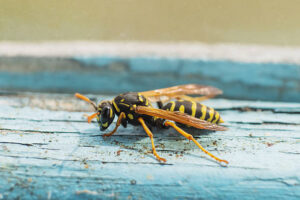
Wasps can become a concern when they build nests near homes, garages, gardens, patios, or other frequently used areas. Understanding how to recognize wasp activity and reduce common attractants can help homeowners manage these pests more effectively. A professional Wasp Pest Control Service can provide appropriate support when an infestation becomes difficult or unsafe to handle.
Why Is Wasp Control Important?
Wasp control is important for maintaining a safer and more comfortable environment around your home. Active nests can increase wasp activity near entrances, outdoor areas, and places where family members spend time.
Taking action early can help prevent a developing problem from becoming more difficult to manage. Homeowners should understand common risks and recognize signs that may indicate an active nest nearby.
Common Wasp Risks
Wasps can become defensive when their nest is approached or disturbed. Increased activity around doors, windows, patios, decks, gardens, and other frequently used areas can create concerns for homeowners and their families.
The location of a nest can also affect the level of risk. Nests close to entrances or outdoor living spaces may lead to more frequent interactions between people and wasps.
Signs of Wasp Activity
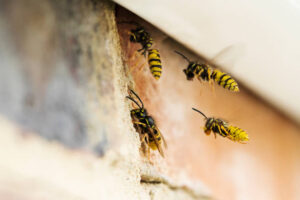
Repeated wasp activity around one location can indicate that a nest is nearby. You may notice wasps repeatedly entering and leaving gaps around rooflines, walls, sheds, garages, or other sheltered areas.
Visible nest material and increasing numbers of wasps are additional warning signs. Observing these signs from a safe distance can help you determine whether professional assistance may be necessary.
How Can You Identify a Wasp Nest?
Wasp nests can appear in both visible and concealed areas. Some may be attached to sheltered outdoor surfaces, while others can be located inside attics, wall cavities, roof spaces, garages, or other protected locations.
Homeowners should avoid getting close to a suspected nest to confirm its presence. Observing wasp activity from a safe distance is a better approach, particularly when there are numerous wasps around the area.
Common Nesting Areas
Wasps often choose locations that provide protection from weather and disturbance. Common nesting areas can include roof edges, eaves, attics, sheds, garages, trees, shrubs, wall cavities, and covered structures.
Regular inspection of accessible areas around your property can help you notice potential nesting activity earlier. Pay particular attention to areas with gaps, sheltered spaces, or limited human activity.
Signs of an Active Nest
Consistent wasp traffic around a particular location may indicate an active nest. Wasps repeatedly entering and exiting the same opening can be another sign of ongoing nesting activity.
If activity appears concentrated in one location, avoid disturbing the area. A professional inspection can help determine whether a nest is active and what type of treatment may be appropriate.
What Can You Do to Prevent Wasps?
Wasp prevention involves reducing conditions that may attract wasps or provide suitable nesting opportunities. Good property maintenance, proper food storage, and outdoor cleanliness can all support prevention.
While preventive measures cannot guarantee that wasps will never appear, they can reduce potential attractants around your property. Consistent maintenance is especially useful during periods when wasp activity increases.
Remove Food Sources
Wasps may be attracted to accessible food and sugary substances. Outdoor meals, uncovered beverages, pet food, and food residue can contribute to increased activity.
Keep food covered when eating outdoors and clean spills as soon as possible. Avoid leaving sugary drinks, fruit, or food waste exposed for extended periods.
Secure Garbage and Outdoor Areas
Garbage containers should have secure lids, especially when they contain food waste. Recycling containers should also be maintained properly because food residue can attract pests.
Clean patios, decks, outdoor kitchens, and eating areas regularly. Keeping these spaces free from food debris can reduce potential attractants.
Seal Potential Entry Points
Check doors, windows, rooflines, vents, and exterior walls for gaps or openings. Proper maintenance can reduce opportunities for wasps to enter certain areas of your home.
However, do not seal an opening if you suspect wasps are actively using it. Blocking an active entry point without professional advice could create additional problems.
How Can You Manage a Wasp Problem?
Managing a wasp problem starts with caution. Homeowners should avoid unnecessary contact with active nests and focus on observing activity from a safe distance.
The appropriate response depends on the size, location, and activity level of the infestation. Understanding these factors can help determine when monitoring may be sufficient and when professional assistance is more appropriate.
Keep Your Distance From Nests
Avoid approaching or standing close to an active nest. Wasps may become defensive when they sense a threat to their nesting area.
Children and pets should also be kept away from locations where significant wasp activity has been identified. Creating distance can help reduce unnecessary interactions.
Monitor Wasp Activity
Observe where wasps appear to enter and leave your property. Look for repeated activity around rooflines, walls, trees, sheds, garages, and other potential nesting areas.
Monitoring from a safe distance can provide useful information if a professional inspection becomes necessary. Avoid attempting to follow wasps closely or interfere with their movement.
Avoid Disturbing Active Nests
Homeowners should not attempt to knock down, cover, or physically disturb an active nest. Such actions may cause wasps to become defensive.
If the nest is near an entrance, play area, patio, or another frequently used location, professional pest control may be the more appropriate option.
When Is Professional Wasp Treatment Better?
Professional wasp treatment can be beneficial when an infestation involves an established nest, difficult location, or recurring activity. Professionals can inspect the property and determine an appropriate approach based on the situation.
Professional assistance can also reduce the need for homeowners to approach areas where wasps are actively nesting. This is particularly important when the nest is difficult to access or located inside a structure.
Large or Hidden Nests
Large nests can involve considerable wasp activity and may be challenging to manage safely. Hidden nests inside walls, attics, or roof spaces can be even more difficult to locate and address.
A professional inspection can help identify the source of activity and determine suitable treatment options.
Recurring Wasp Problems
Repeated wasp activity may indicate that an underlying nesting location or attractant has not been addressed. Simply dealing with visible wasps may not resolve the source of the problem.
Professional pest control can assess recurring activity and recommend appropriate control and prevention measures.
Difficult-to-Reach Nests
Nests located at height, inside confined spaces, or in other restricted areas can create additional safety concerns. Homeowners should avoid using ladders or entering difficult areas to reach an active nest.
Professional assistance allows trained specialists to assess challenging locations and determine an appropriate solution.
Why Choose Professional Home Pest Control?
Professional home pest control provides a structured approach to identifying and managing wasp problems. Instead of focusing only on visible wasps, professionals can inspect the property and consider potential nesting locations.
Professional services can also help homeowners understand preventive measures that may reduce the likelihood of recurring pest problems.
| Wasp Situation | Recommended Approach |
|---|---|
| Occasional wasp activity | Monitor the area and reduce attractants |
| Visible nest near the home | Avoid disturbing it and seek professional advice |
| Large or active nest | Consider professional treatment |
| Hidden nest | Arrange a professional inspection |
| Recurring wasp activity | Identify the source and consider prevention |
Proper Inspection
A professional inspection can help identify active nesting locations and assess the extent of wasp activity. The inspection may also identify property conditions that could contribute to recurring problems.
This information allows pest control professionals to develop a more targeted approach instead of relying on general treatment.
Targeted Wasp Control
Targeted wasp control focuses on addressing the source of the infestation rather than only dealing with individual wasps. Treatment decisions can consider nest location, activity level, and property conditions.
A professional approach can help homeowners manage established infestations more systematically.
Safer Wasp Removal
Wasp removal can involve risks when nests are active or located in difficult areas. Professional services allow trained specialists to handle these situations using appropriate pest management methods.
Homeowners should avoid unnecessary contact with active nests and seek professional assistance when the situation presents safety concerns.
Why Choose Maritime Pest Control?
Choosing an experienced pest control provider can make it easier to address wasp activity through a structured process. Professional support can help homeowners understand the source of an infestation and determine suitable control measures.
Professional Wasp Solutions
Maritime Pest Control provides professional solutions for homeowners dealing with wasp activity. The approach can focus on identifying the problem, addressing active infestations, and helping reduce future concerns.
Prevention-Focused Approach
Effective pest management should consider both current activity and potential future problems. Identifying attractants and possible nesting areas can support better long-term prevention.
Homeowners can also receive guidance on property maintenance practices that may help reduce conditions favorable to wasps.
Support for Homeowners
Professional support can make it easier for homeowners to respond appropriately when they discover wasp activity. An assessment can help determine whether the situation requires treatment, monitoring, or additional preventive measures.
For persistent or difficult infestations, professional guidance can provide a more structured path toward resolving the problem.
Frequently Asked Questions
How Can I Prevent Wasps Around My Home?
Keep food and sugary drinks covered, secure garbage containers, clean outdoor eating areas, and inspect potential nesting locations regularly. Sealing suitable entry points can also help, but active nest openings should not be blocked without professional guidance.
When Should I Consider Wasp Removal?
Consider professional wasp removal when you find an active nest near a frequently used area, notice significant wasp activity, or cannot safely access the nesting location. Recurring activity can also indicate the need for professional assessment.
Should I Remove a Wasp Nest Myself?
Removing an active nest can create unnecessary risks, particularly when the nest is large, hidden, elevated, or located near people. It is generally safer to avoid disturbing the nest and contact a qualified pest control professional for assessment.
How Does Professional Wasp Control Work?
Professional wasp control generally begins with an inspection to identify activity and potential nesting locations. The appropriate treatment approach is then determined based on the infestation and property conditions, followed by monitoring or preventive recommendations when needed.
When Should I Contact a Wasp Control Service?
Contact a professional when wasp activity is persistent, a nest is located near an entrance or high-traffic area, the nest is difficult to reach, or previous control attempts have not resolved the problem. Maritime Pest Control can help homeowners assess their wasp concerns and determine an appropriate pest control approach.
Conclusion
Managing wasps effectively requires a combination of prevention, careful observation, and appropriate professional assistance when necessary. Removing food attractants, securing garbage, maintaining outdoor areas, and avoiding active nests can help reduce unnecessary wasp activity.
When nests are large, hidden, difficult to reach, or repeatedly causing problems, professional pest control can provide a more structured and appropriate solution. By addressing both current infestations and potential causes of recurring activity, homeowners can take practical steps toward maintaining a more comfortable property.