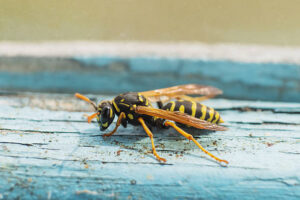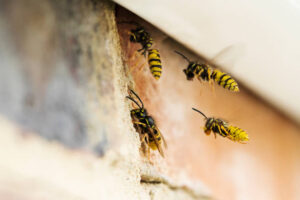
Wasp activity around your property can quickly become more than an occasional nuisance. A few wasps may indicate a nearby nest, while frequent activity can suggest an established infestation. Knowing when to take action is important for protecting people, pets, and property.
If wasps are becoming a recurring concern, professional assistance can help identify the source and determine the appropriate solution. Homeowners looking for a Wasp Exterminator in Edmonton can benefit from an inspection that focuses on both current activity and potential nesting areas.
Why Can a Wasp Infestation Become a Serious Problem?
A wasp infestation can become difficult to manage when nesting activity increases or when the nest is located close to frequently used areas. Wasps may become defensive when their nest is disturbed, making casual attempts to remove them unsafe.
Understanding the signs of an increasing infestation can help property owners make informed decisions. Early attention may also prevent a small problem from developing into a larger and more persistent concern.
Understanding Wasp Risks
Wasps can pose a stinging risk to people and pets, particularly when they are nesting near entrances, patios, decks, play areas, or other high-traffic locations. Disturbing a nest can increase defensive behavior.
The risk may also increase when multiple wasps are consistently entering and leaving one location. This activity can indicate that a nest is established nearby.
Recognizing Increasing Wasp Activity
Increasing numbers of wasps around a property should not be ignored. Frequent activity around walls, rooflines, sheds, eaves, or other structures may indicate a nesting site.
Look for repeated wasp movement around the same location. Consistent activity can be a useful reason to arrange an inspection rather than attempting to locate the nest by disturbing potential nesting areas.
What Are the Warning Signs of a Wasp Infestation?
Recognizing an active wasp problem early can make management easier. While occasional wasp sightings may happen during warmer months, repeated activity deserves closer attention.
Property owners should observe where wasps are appearing, how frequently they are present, and whether they seem to be entering or leaving a particular part of the property.
Frequent Wasp Activity
Seeing wasps repeatedly around the same areas may indicate that food sources or a nest are nearby. Activity around outdoor eating areas, garbage containers, gardens, and building structures can help identify possible attractants.
If wasp numbers continue increasing despite removing obvious food sources, professional evaluation may be appropriate.
Visible Wasp Nests
A visible nest is one of the clearest signs of an established wasp problem. Nests may appear under roof edges, inside sheltered spaces, around sheds, or in other protected locations.
Avoid touching, spraying, or otherwise disturbing an active nest. Its size, location, and activity level can help determine the most appropriate management approach.
Wasps Entering Wall or Roof Spaces
Wasps repeatedly entering a wall cavity, roof space, soffit, or similar opening may indicate a hidden nest. These situations can be particularly challenging because the nest may not be directly accessible.
Rather than opening or disturbing the structure, property owners should consider professional inspection to determine where the activity originates.
| Warning Sign | What It May Indicate |
|---|---|
| Frequent wasp sightings | Nearby food source or nesting activity |
| Visible nest | Established wasp colony |
| Wasps entering a wall | Possible hidden nest |
| Increasing activity | Growing infestation |
| Wasps near entrances | Nest close to a high-traffic area |
When Is a Wasp Nest Difficult to Handle?
Not every nest presents the same level of difficulty. Its size, location, accessibility, and proximity to people can all affect how safely it can be managed.
A nest that is difficult to reach or located inside a structure may require professional attention. Attempting to access it without suitable knowledge or equipment can increase the risk of disturbing the colony.
Large or Growing Nests
Larger nests generally indicate significant wasp activity. A growing nest can also mean that more wasps are present and may respond defensively if disturbed.
Professional assessment can help determine the level of infestation and the most suitable treatment approach.
Hidden Nest Locations
Hidden nests can be located within wall cavities, roof spaces, soffits, or other enclosed areas. Finding them may require careful inspection rather than simply following visible wasp activity.
Property owners should avoid creating openings or dismantling parts of the structure to search for a nest.
Nests Near High-Traffic Areas
A nest near a doorway, walkway, patio, entrance, or frequently used outdoor space creates a greater concern because people may unknowingly approach it.
When a nest is positioned close to regular activity, professional assistance can help reduce unnecessary disturbance.
Why Can DIY Wasp Removal Be Risky?
DIY methods may appear convenient, but wasp nests can present risks when disturbed. Incorrect treatment can also leave parts of an infestation unresolved.
Understanding these risks can help property owners decide when professional help is a more appropriate option.
Disturbing an Active Nest
Approaching or physically disturbing a nest can cause wasps to become defensive. This is particularly concerning when the nest contains a large active colony.
It is generally better to maintain distance and avoid unnecessary activity around a suspected nest.
Using Improper Treatment Methods
Using a product incorrectly or treating only visible wasps may not address the underlying nest. This can result in continued activity and repeated treatment attempts.
Professional treatment focuses on identifying the source of the problem rather than simply addressing individual wasps.
Repeatedly Attempting DIY Control
Repeated DIY attempts can increase exposure to wasp activity while failing to resolve the infestation. If wasps continue returning after attempted treatment, professional evaluation may be warranted.
When Should You Call a Wasp Exterminator?
Knowing when to contact a professional can help prevent an infestation from becoming harder to manage. Professional support is particularly useful when wasp activity is persistent, the nest is difficult to reach, or the problem keeps returning.
The goal is to identify the cause and select an appropriate treatment strategy based on the property’s conditions.
Persistent Wasp Activity
If wasps remain active around your property despite removing food attractants and other obvious sources, there may be an established nest nearby.
Difficult-to-Reach Nests
Nests located inside walls, roof areas, high structures, or enclosed spaces can be difficult to inspect safely. Professional pest control can help determine the source without unnecessary disturbance.
Recurring Wasp Problems
Recurring infestations may indicate that previous control measures did not address the underlying nesting location. A professional assessment can help identify contributing factors.
What Does Professional Wasp Treatment Involve?
Professional pest control generally begins with understanding the extent and location of the problem. This allows treatment decisions to be based on the property rather than assumptions.
For homeowners considering wasp treatment, the process can include inspection, nest identification, targeted treatment, and follow-up assessment.
Property Inspection
An inspection can focus on areas where wasps are frequently seen, including rooflines, eaves, wall openings, sheds, garages, and other potential nesting locations.
Identifying the Nest
Identifying the nest helps determine the scope of the infestation. Professionals can assess whether the activity comes from a visible nest or a hidden location.
Choosing Targeted Treatment
Treatment should be selected according to the type of infestation, nest location, and property conditions. Targeted approaches can help manage active wasp populations more effectively.
Monitoring the Results
After treatment, monitoring can help determine whether wasp activity has declined. Continued activity may indicate another nesting location or an additional factor requiring attention.
| Property Condition | Recommended Consideration |
|---|---|
| Small amount of occasional activity | Monitor and remove attractants |
| Visible active nest | Avoid disturbance and seek professional advice |
| Hidden nest | Arrange a professional inspection |
| Large nest | Consider professional treatment |
| Recurring infestation | Investigate the underlying source |
How Can Professional Wasp Control Help?
Professional pest control can provide a structured approach to managing wasp infestations. Instead of focusing only on visible insects, professionals can assess where the activity originates and what conditions may contribute to it.
This approach can help property owners address current problems while taking reasonable steps to reduce future activity.
Managing Active Infestations
Professional control can help address established wasp activity and determine the appropriate treatment for the infestation.
Supporting Safer Wasp Removal
Avoiding direct contact with active nests is an important safety consideration. Professional assistance can reduce the need for property owners to approach or disturb nesting areas themselves.
Reducing Future Wasp Activity
Long-term management may involve removing attractants, improving property maintenance, and identifying areas where wasps could establish nests.
How Can Property Owners Prevent Wasp Problems?
Prevention begins with reducing conditions that attract wasps or provide suitable nesting opportunities. Regular property checks can help identify concerns before they become more difficult to manage.
Simple maintenance measures can complement professional pest control and help reduce the likelihood of recurring activity.
Removing Food Attractants
Keep outdoor food covered and clean up spills promptly. Sweet foods, beverages, and exposed food waste can attract wasps.
Securing Garbage Areas
Garbage containers should remain properly closed. Cleaning containers regularly can also help reduce odors and food residue that may attract insects.
Checking Potential Nesting Areas
Inspect sheltered areas such as eaves, sheds, roof edges, and other protected spaces periodically. Early identification of wasp activity can make it easier to respond appropriately.
Why Choose Maritime Pest Control?
Choosing a professional pest control provider can help property owners approach wasp problems with greater confidence. Experienced pest professionals can assess the situation and recommend a suitable strategy based on the infestation.
Professional Wasp Extermination
Professional extermination focuses on identifying and managing active wasp infestations while considering the location and conditions of the property.
Targeted Wasp Control Service
Targeted pest control can help address specific nesting areas instead of relying only on general treatment methods.
Support for Homes and Businesses
Wasp problems can affect residential and commercial properties. Professional support can help property owners, landlords, and businesses manage activity around occupied spaces.
Frequently Asked Questions About Wasp Extermination
Understanding when professional intervention is appropriate can help property owners respond to wasp problems more effectively. The following questions address common concerns about infestations, nests, treatment, and prevention.
When Should I Contact a Wasp Exterminator?
Contact a professional when wasp activity is persistent, a nest is large or difficult to reach, wasps are entering a structure, or previous attempts have not resolved the problem.
How Do I Know If a Wasp Nest Is Active?
Frequent wasp movement around a particular location, especially repeated entry and exit from a nest, can indicate active nesting. Avoid disturbing the area to confirm activity.
Is DIY Wasp Nest Removal Safe?
DIY nest removal can be risky because disturbing an active nest may cause defensive behavior. It is generally safer to avoid direct contact and seek professional assistance when the nest presents a concern.
How Does Professional Wasp Treatment Work?
Professional treatment generally involves inspecting the property, locating or assessing the nest, selecting an appropriate treatment approach, and monitoring the results. Maritime Pest Control can help property owners determine an appropriate approach for their wasp concerns.
Can Professional Wasp Control Prevent Recurring Infestations?
Professional control can help manage an active infestation and identify factors contributing to recurring activity. Prevention measures, property maintenance, and follow-up monitoring can further reduce the likelihood of future problems.
Conclusion
A wasp problem should receive professional attention when activity becomes persistent, nests are large or hidden, or wasps are nesting near frequently used areas. Recognizing these warning signs early can help property owners avoid unnecessary risks and address infestations more effectively.
With proper inspection, targeted treatment, and prevention measures, wasp activity can be managed more systematically. Maritime Pest Control provides professional pest control support for property owners looking for a practical approach to managing wasp problems.