Wasp nests can appear around homes, rental properties, offices, and commercial buildings during warmer months. While a small amount of wasp activity may seem manageable, an active nest can become difficult and risky to handle without the right approach. Before attempting removal, property owners should consider the nest’s size, location, activity level, and accessibility.
If you are dealing with an active infestation, professional assistance can provide a safer and more structured solution. Property owners looking for Wasp Removal in Edmonton can benefit from an assessment that identifies the source of the activity and determines an appropriate control strategy.
What Should You Consider Before Wasp Removal?
Before deciding between DIY removal and professional assistance, it is important to understand the conditions surrounding the nest. Not every wasp nest presents the same level of risk, and its location can significantly affect how difficult it is to manage.
Consider how many wasps are active, where the nest is located, whether it is easily accessible, and whether people frequently use the surrounding area.
Nest Size and Location
A small, exposed nest may present different challenges than a large nest hidden inside a wall or roof space. Larger nests may contain more wasps and can become increasingly difficult to approach safely.
Location is equally important. Nests under roof edges, inside wall cavities, near entrances, or in elevated areas may require professional inspection and treatment.
Level of Wasp Activity
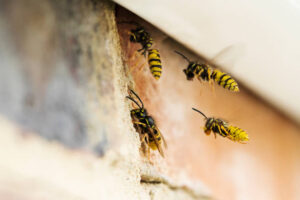
Frequent wasp movement around one location can indicate an established nest. Repeated activity throughout the day may suggest that the colony is actively using the nesting site.
Property owners should avoid disturbing the area simply to determine how active the nest is. Observing from a safe distance can provide useful information without unnecessarily increasing the risk.
| Wasp Situation | Recommended Approach |
|---|---|
| Occasional wasp sightings | Monitor activity and remove attractants |
| Small visible nest | Avoid unnecessary disturbance |
| Large active nest | Consider professional assistance |
| Hidden nest | Arrange a professional inspection |
| Recurring activity | Investigate the underlying source |
When Is DIY Wasp Removal Risky?
DIY pest control may seem like a convenient option, but removing a wasp nest involves more than eliminating visible insects. Disturbing an active nest can cause wasps to become defensive, particularly when the colony feels threatened.
Treatment products can also be ineffective when they are used incorrectly or when the nest itself is not properly addressed. Understanding these risks can help property owners make a more informed decision.
Disturbing an Active Nest
Approaching, shaking, covering, or physically removing an active nest can trigger defensive behavior. This creates an unnecessary risk for anyone standing nearby.
The risk can be greater when the nest is located close to doors, walkways, patios, or other frequently used areas. Keeping a safe distance is generally preferable to directly investigating an active nest.
Using Improper Treatment Methods
Using the wrong product or applying treatment incorrectly may fail to control the colony. It can also result in continued wasp activity after the initial attempt.
Professional pest control focuses on identifying the nesting location and selecting a treatment approach based on the specific conditions of the infestation.
When Should You Call a Professional?
Professional assistance becomes particularly important when a nest is large, hidden, difficult to access, or located close to people. Recurring wasp activity can also indicate that an underlying nesting site has not been fully addressed.
Instead of repeatedly attempting DIY solutions, property owners can have the situation assessed to determine whether professional treatment is appropriate.
Large or Hidden Nests
Large nests should not be approached casually. Hidden nests can be even more challenging because wasps may be entering wall cavities, roof spaces, soffits, or other enclosed areas.
A professional can inspect the property and determine where the activity is coming from without requiring unnecessary disturbance of the structure.
Nests Near High-Traffic Areas
A nest near an entrance, playground, walkway, outdoor seating area, or workplace can create a greater concern because people may unknowingly approach it.
Professional intervention can help manage the nest while reducing unnecessary exposure to active wasps.
Recurring Wasp Infestations
If wasps continue appearing after previous removal attempts, there may be another nest or an unresolved attractant nearby. Repeated activity deserves further investigation rather than repeated surface-level treatment.
What Does Professional Wasp Removal Involve?
Professional pest control generally begins with an inspection. This helps determine where wasps are nesting, how extensive the activity appears to be, and which areas require attention.
For property owners considering professional wasp removal, treatment can involve several steps designed to address the active infestation while considering the surrounding property.
Property and Nest Inspection
A professional inspection can focus on areas where wasps are frequently observed. Rooflines, eaves, sheds, wall openings, garages, and other sheltered locations may be assessed.
The inspection helps establish whether the nest is visible, hidden, accessible, or located within a structural space.
Targeted Wasp Nest Treatment
Treatment should be selected according to the location and conditions of the infestation. Targeted treatment can help address the active nesting site rather than focusing only on individual wasps.
The appropriate approach may vary depending on the nest’s size, accessibility, and location.
Safe Nest Management
Nest management requires careful consideration of surrounding people, pets, and property. Professionals can determine the most suitable way to manage the infestation while minimizing unnecessary disturbance.
| Factor | DIY Consideration | Professional Consideration |
|---|---|---|
| Nest size | Difficult to assess safely | Can be professionally evaluated |
| Nest location | Accessibility may be limited | Inspection can identify hidden areas |
| Wasp activity | Disturbance may increase risk | Treatment can target the infestation |
| Recurring activity | May require repeated attempts | Underlying sources can be investigated |
| High-traffic area | Greater exposure risk | Professional management may be appropriate |
How Can You Prevent Future Wasp Problems?
Removing an existing nest is only one part of managing wasp activity. Property maintenance and prevention can help reduce conditions that attract wasps or provide suitable nesting locations.
Regular inspections and simple maintenance measures can make the property less attractive to wasps and help identify potential problems earlier.
Removing Food Attractants
Wasps can be attracted to exposed food, sugary drinks, food waste, and other accessible sources. Keep outdoor food covered and clean up spills promptly.
Reducing accessible food sources can help limit unnecessary wasp activity around outdoor living and dining areas.
Securing Garbage Areas
Garbage containers should remain tightly closed and should be cleaned when food residue accumulates. Waste should not be left exposed for extended periods.
Maintaining clean garbage areas can reduce odors and food sources that may attract wasps.
Checking Potential Nesting Sites
Regularly inspect sheltered areas around the property, including roof edges, eaves, sheds, garages, and other protected spaces.
Early detection can help property owners respond before nesting activity becomes more established.
Why Choose Maritime Pest Control?
Professional pest control can make it easier to approach wasp problems systematically. Instead of relying solely on visible activity, an experienced provider can assess the property and determine where treatment may be needed.
Professional Wasp Extermination
Professional extermination focuses on managing active infestations while considering the location and condition of the nest.
Reliable Wasp Control
A targeted control strategy can help address the source of wasp activity and support better long-term management.
Residential and Commercial Support
Wasp problems can affect homes, rental properties, offices, and commercial buildings. Professional support can help property owners manage infestations according to the needs of the property.
Frequently Asked Questions About Wasp Removal
Understanding the risks and treatment process can help property owners decide when professional assistance is appropriate. These common questions cover DIY removal, professional treatment, and prevention.
Is DIY Wasp Nest Removal Safe?
DIY removal can be risky when the nest is active, large, hidden, or located near frequently used areas. Disturbing a nest can increase wasp activity and create unnecessary exposure.
When Should I Hire a Professional?
Consider professional assistance when wasp activity is persistent, the nest is difficult to access, the infestation is large, or the nest is close to people and frequently used areas.
How Does Wasp Nest Treatment Work?
Professional treatment generally starts with an inspection to identify the nesting location and extent of activity. A suitable treatment method can then be selected based on the property’s conditions.
Can Wasp Control Prevent Recurring Infestations?
Professional control can help identify and manage active nests. Preventive measures such as reducing food attractants, securing garbage, and checking potential nesting areas can further help reduce recurring problems.
What Should I Do About a Large Wasp Nest?
Avoid approaching or disturbing a large active nest. Keep people and pets away from the area and contact a professional pest control provider for an assessment. Maritime Pest Control can help property owners determine an appropriate approach to wasp management.
Conclusion
Deciding between DIY removal and professional assistance depends on the nest’s size, location, activity level, and proximity to people. Small concerns may require monitoring, while large, hidden, active, or recurring infestations can require professional attention.
Avoiding unnecessary disturbance, reducing attractants, and checking potential nesting areas can support prevention. When professional treatment is appropriate, Maritime Pest Control can help homeowners, renters, property managers, and businesses address wasp problems with a structured approach.